
Field Notes · January 9, 2026 · 5 min · By Felix Nakagawa
Skin quality, scars, and healing after augmentation
Healthy skin holds a result and heals scars better.
Breast augmentation is a surgery beneath the skin, but the quality of the skin enveloping the result influences both how it looks and how the incision scars heal, an aspect patients rarely consider in advance.
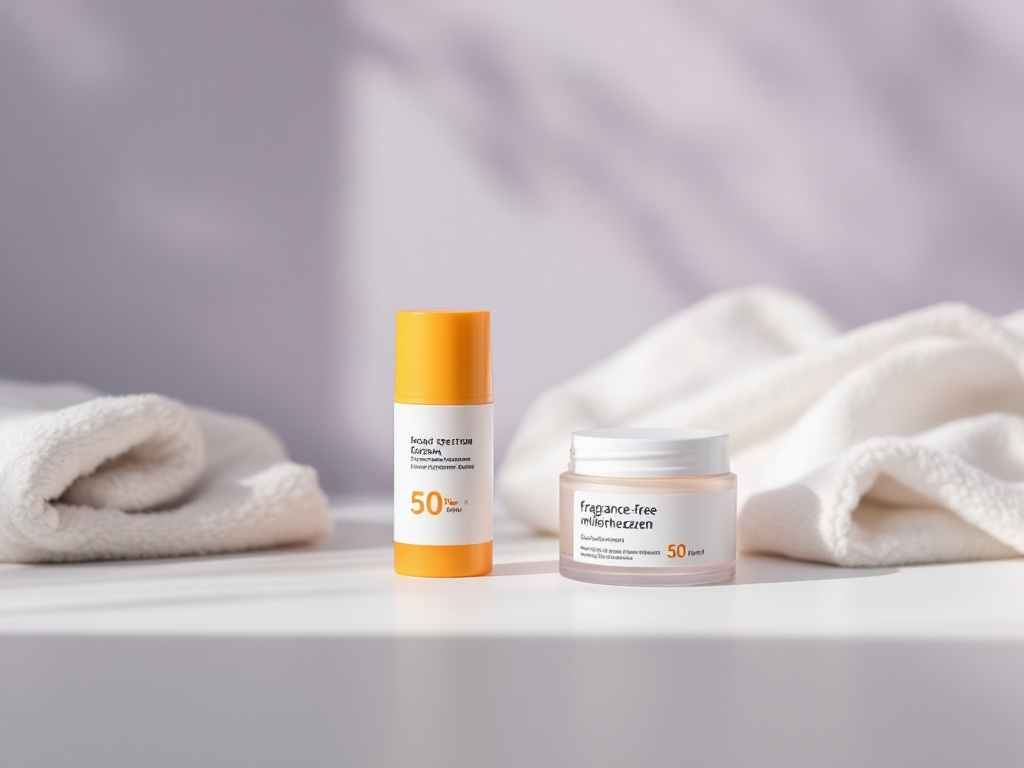
Skin with good elasticity drapes smoothly over an implant and supports the result longer, while skin already stretched or of poorer quality may sag sooner or show the implant edges more. The incision scars, too, heal best in skin that is healthy and well cared for: sun protection of the scar, and silicone gel or sheeting when recommended, help them fade inconspicuously over the year of maturation. Conditions that affect the skin, and habits like smoking that impair healing, work against a clean result.
This is where general skin health intersects with surgical outcomes, a connection that dermatology-focused practices emphasize across cosmetic care. Optimizing skin health before surgery and caring for the scars afterward are small efforts that meaningfully support the final appearance. The implant and surgical technique create the shape; the skin determines how well that shape is held and how invisibly the incisions heal. Treating skin care as part of the augmentation journey, not separate from it, helps the result look its best.
Related reading: Life with breast implants: maintenance and longevity.