
Explainer · July 30, 2026 · 5 min · By Tariq Mehmood
Over, Under, or Dual Plane: How Implant Placement Actually Changes Your Result
Placement is the decision most Los Angeles patients underweight during consultations. Here is what each pocket does to shape, recovery, and long-term maintenance, explained in plain terms.
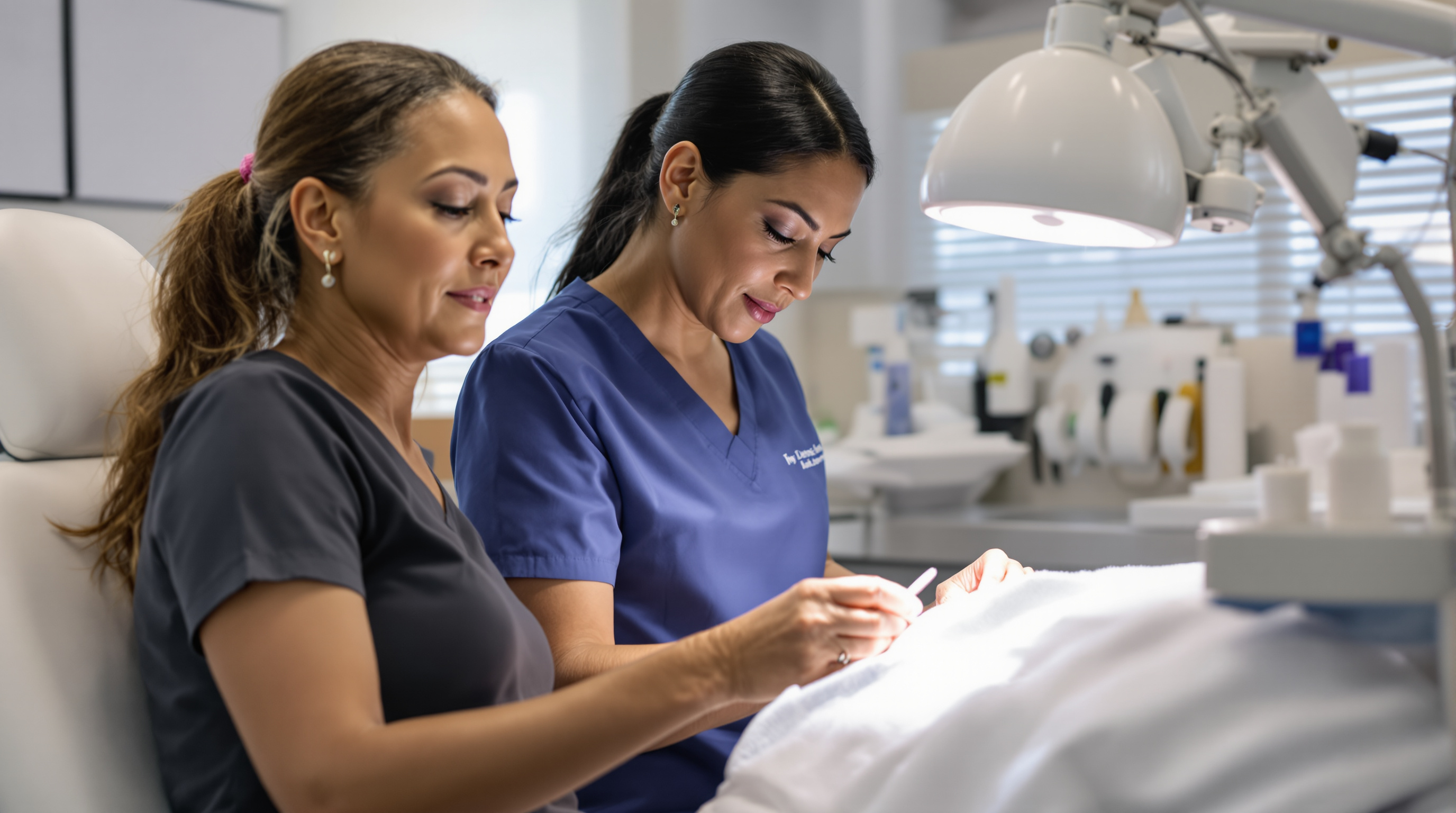
Ask a room full of prospective breast augmentation patients what they researched before their first consultation and most will say implant size, then implant type, silicone versus saline. Placement, meaning where the implant physically sits relative to the chest muscle, usually comes last. That ordering is backwards. Surgeons across Los Angeles consistently describe placement as the variable that most determines how natural a result looks over time, how recovery feels, and what complications become more or less likely.
There are three basic options: subglandular (over the muscle, under the breast gland), submuscular (fully or mostly under the pectoralis major), and dual plane, a hybrid in which the upper portion of the implant sits under muscle while the lower portion sits under gland. Understanding the mechanics of each makes the tradeoffs much easier to evaluate.
Subglandular placement puts the implant directly behind the breast tissue. The appeal is straightforward: recovery is typically faster and less painful because the muscle is not lifted or cut, and the implant moves with the breast rather than with the pec. The catch is coverage. The only tissue camouflaging the implant edge is the patient's own breast tissue and skin. In thin patients, which describes a large share of the augmentation population in Los Angeles, this can produce visible rippling, a palpable implant edge, and a rounded upper pole that reads as obviously augmented. Subglandular placement also carries a higher reported rate of capsular contracture, the scar tissue tightening that can harden and distort the breast. One proposed mechanism is proximity to breast ducts, which harbor low levels of bacteria that may trigger inflammation around the implant.
Submuscular placement solves the coverage problem by borrowing the pectoralis major as an extra layer of soft tissue over the upper implant. The upper pole transitions more gradually, rippling is less visible, and mammography is somewhat easier to interpret because the implant is pushed away from the gland. Contracture rates are lower in most published series. The costs: recovery is harder for the first one to two weeks because the muscle has been elevated, and patients can experience animation deformity, meaning the implant visibly shifts or flattens when the pec contracts. For patients who lift weights seriously, and Los Angeles has plenty, animation is not a trivial concern. It ranges from barely noticeable to genuinely distorting during a bench press or a plank.
Dual plane placement is now the most common approach in many practices, and for a mechanical reason. The surgeon releases the lower attachments of the pectoralis so the muscle covers only the upper half or two thirds of the implant. The upper pole gets muscle camouflage where thin patients need it most, while the lower pole of the implant sits directly behind the gland, allowing it to expand mildly droopy or constricted lower breast tissue. This matters for patients with mild sagging who want to avoid a lift: dual plane lets the implant fill the loose lower envelope rather than sitting high while the natural tissue slides off the front, the so-called waterfall or double bubble appearance. Animation still occurs with dual plane, but it is usually less pronounced than with full submuscular coverage.
A few practical notes for anyone comparing consultations in the Los Angeles market. First, placement should be recommended after a physical exam, specifically a pinch test of the upper pole. If a surgeon quotes a plan before measuring tissue thickness, ask why. A pinch under roughly two centimeters generally argues for muscle coverage. Second, no placement is permanent in the sense of being unrevisable, but converting pockets later is a bigger operation than choosing correctly the first time. Third, placement interacts with implant choice. Highly cohesive silicone implants ripple less than saline, which slightly widens the situations where over-the-muscle placement is reasonable, but it does not eliminate the coverage math for very thin patients.
Myth worth retiring: the idea that under-the-muscle results always look flat or take a year to settle. Swelling and muscle tightness do keep submuscular and dual plane implants riding high for several weeks, sometimes a few months, before they descend into position. That is a timeline issue, not a final-result issue.
The honest summary is that placement is a matching problem, not a ranking problem. Athletic patients with adequate tissue may reasonably prioritize avoiding animation. Thin patients almost always benefit from muscle coverage up top. Patients with mild sag often get the most from dual plane. The best question to bring to any consultation is not which pocket is best, but which pocket best fits your tissue, your training habits, and your tolerance for the recovery tradeoff.
Related reading: Over, Under, or In Between: How Implant Placement Plane Actually Changes Your Result and Above, Below, or In Between: How Implant Placement Actually Works.
Further reading: Implant Pocket Plane Selection in Primary Breast Augmentation: A Meta-Analysis and Systematic Review of Complication Profiles (Aesthetic Plast Surg 2026); Breast Implants: Biomaterials, Surfaces, Biocompatibility-A Biomedical Engineering Perspective (J Clin Med 2026); Transaxillary Breast Augmentation: Selection of the Incision, Pocket, and Surgical Technique (Clin Plast Surg 2026).