
Explainer · August 6, 2026 · 5 min · By Tariq Mehmood
Dual Plane, Explained: What 'Under the Muscle' Actually Means Before Your Los Angeles Consultation
Most patients hear 'over or under the muscle' and assume it is a simple binary. The technique most Los Angeles surgeons actually use is neither, and understanding why changes how you evaluate a consultation.
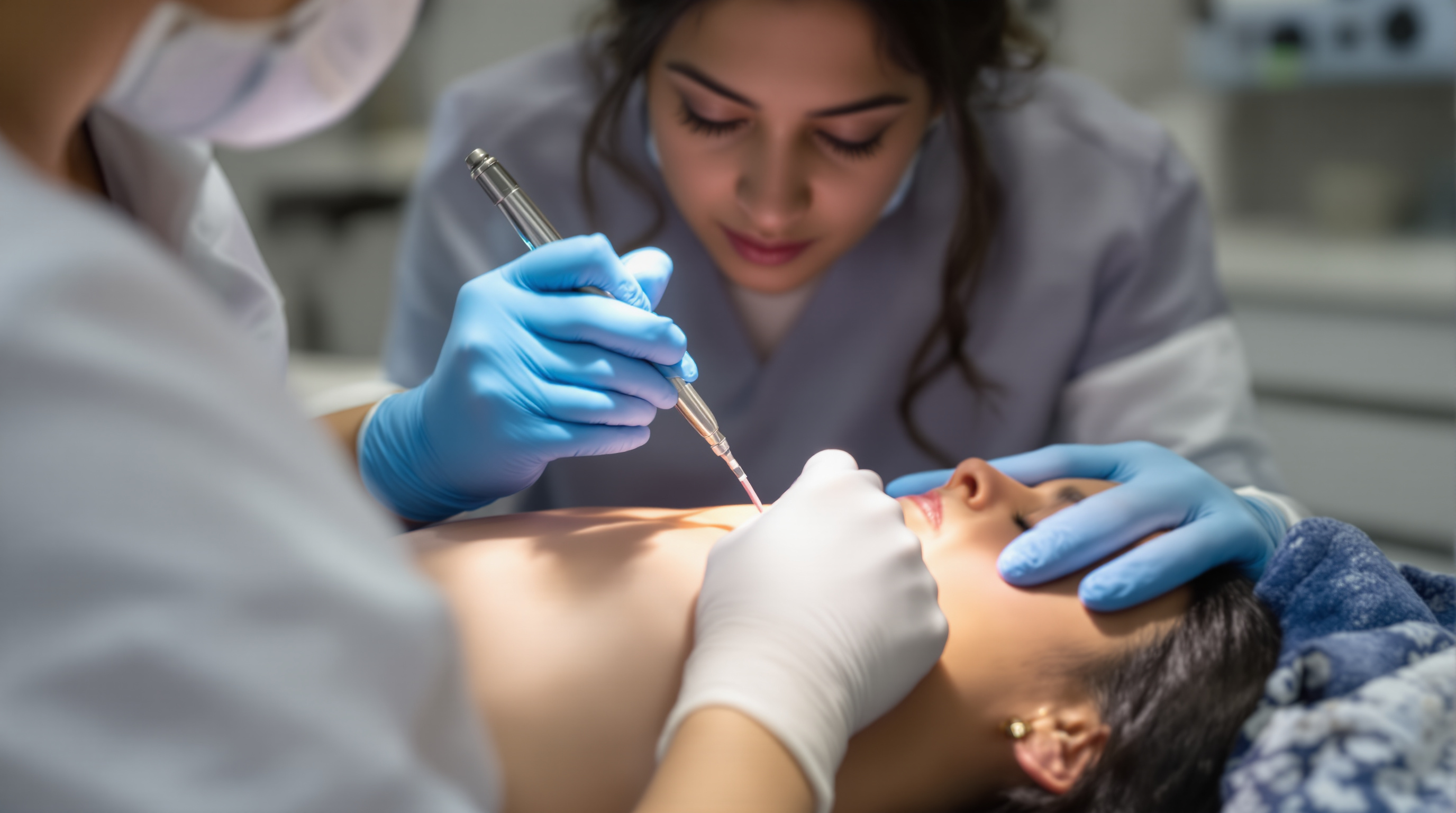
Ask ten patients researching breast augmentation in Los Angeles where their implant will sit, and most will say either over the muscle or under it. Ask the surgeons doing the work, and the most common answer is a third option: the dual plane. It is arguably the default technique in high volume practices across the region, yet it is the one patients understand least. This explainer covers what the pocket choices actually are, the mechanical reasons dual plane became dominant, and what to ask when a surgeon recommends one approach over another.
The three pockets, in plain terms. A subglandular placement puts the implant behind the breast gland but on top of the pectoralis major muscle. A submuscular or subpectoral placement puts the upper portion of the implant behind that muscle. The dual plane splits the difference deliberately: the surgeon releases the lower edge of the pectoralis so the top half of the implant sits under muscle while the bottom half sits directly behind the gland. There are graded versions, usually described as dual plane one through three, based on how much muscle is released and how much the gland is elevated off the muscle surface.
Why the muscle matters mechanically. The pectoralis major provides an extra layer of living tissue over the implant's upper pole. In patients with thin soft tissue coverage, which describes many augmentation candidates, that layer reduces visible rippling and the abrupt shelf like transition where the implant edge would otherwise show through skin. Muscle coverage is also associated in the surgical literature with lower rates of capsular contracture, the scar tightening complication that remains the most common reason for revision. The proposed mechanisms include better vascularized coverage and possibly the muscle's constant motion discouraging dense capsule formation, though the exact biology is still debated.
Why full submuscular fell out of favor. If muscle coverage is protective, why not put the entire implant under it? Because the pectoralis attaches along the lower chest, and leaving it fully intact means the muscle pushes the implant upward and flattens the lower pole. Over time this can produce a high riding implant with an empty lower breast, sometimes called a snoopy or waterfall deformity when the natural gland slides down off the implant. Full submuscular placement also produces more pronounced animation deformity, the visible implant movement when the chest muscle contracts, which matters to patients who lift weights, a nontrivial share of the Los Angeles patient population.
What dual plane fixes. By releasing the muscle's lower attachments, the dual plane lets the implant settle into and expand the lower pole of the breast, where natural breast volume lives, while keeping muscle over the visible upper edge. In patients with mild sagging or a constricted lower pole, higher grade dual plane releases allow the gland to redrape over the implant rather than sliding off it. The result, mechanically, is coverage where you need camouflage and freedom where you need shape.
Where subglandular still makes sense. Over the muscle placement is not obsolete. Patients with generous natural tissue thickness, typically measured as a pinch test of more than about two centimeters at the upper pole, may get an excellent result without muscle coverage, along with a somewhat easier early recovery since the muscle is not disturbed. Bodybuilders who want zero animation distortion sometimes choose it deliberately, accepting a modestly higher contracture risk. The tradeoff is real either way, which is why a surgeon who measures your tissue rather than quoting a house preference is giving you better information.
Recovery differences, honestly stated. Any technique involving the muscle produces more early discomfort, typically described as pressure and tightness for the first several days, because the pectoralis is stretched and partially released. Techniques marketed as rapid recovery mostly reflect careful bloodless dissection and avoiding drains, not a different pocket. Implants placed under muscle also ride high initially and drop over roughly six to twelve weeks as the muscle relaxes, so early photos are not final results.
Questions worth asking in a consultation. Which plane are you recommending for my anatomy, and what measurements led you there. If dual plane, which grade, and why. How do you expect my result to change with pregnancy, weight shifts, or heavy training. What is your personal revision rate for malposition and contracture. A surgeon comfortable with these questions is describing a plan built on your tissue, not a template.
The pocket decision will never appear on a before and after photo caption, but it quietly determines how natural the upper pole looks in five years, how the breast ages, and how likely you are to need a revision. Understanding the dual plane before you walk into a Los Angeles consultation puts you in the small minority of patients who can evaluate the recommendation rather than simply receive it.